How to Choose the Best Baby Winter Clothes: Ultimate Guide
Preparing your baby’s winter wardrobe is an important part of seasonal care, as the right clothing helps keep them cozy and comfortable during chilly months. Babies cannot regulate their body temperature as effectively as adults, making them more sensitive to both cold weather and overheating. The right winter clothing keeps your little one warm, comfortable, and protected without restricting movement or causing discomfort. However, shopping for baby winter outfits can quickly become confusing because of the wide variety of fabrics, layers, jackets, blankets, hats, and accessories available. Many parents seek advice on the right number of layers, safe clothing materials, and ways to keep their baby comfortable outdoors without overheating. Understanding the basics of winter clothing can help you make smarter choices that keep your baby cozy throughout the season. This guide explains everything you need to know, from selecting the right fabrics to building a practical winter wardrobe that balances warmth, comfort, and safety.
Why Dressing Babies for Winter Requires Extra Care
Because infants have a larger surface area compared with their body mass, they lose heat faster and require extra care to stay comfortably warm. During the first months of life, babies also have a limited ability to regulate their own temperature, making them more vulnerable to cold conditions. Finding the right balance is important, as too little clothing can leave a baby cold, while too many bulky layers may cause overheating. This is why winter clothing should focus on maintaining a comfortable body temperature rather than simply adding the thickest garments possible. Opt for breathable, insulating materials that help maintain a comfortable body temperature by preserving warmth while promoting airflow. Rather than relying on guesswork, observe your baby’s hands, feet, neck, and overall behavior to decide if it’s time to add or remove a layer. The focus is on keeping your baby comfortably warm without the risk of overheating or discomfort.
Start With Soft and Breathable Base Layers
The first layer your baby wears plays a major role in staying warm during winter. A soft, breathable bodysuit or onesie made from high-quality cotton, bamboo, or merino wool provides a comfortable foundation for additional clothing. These materials allow moisture to move away from the skin while helping maintain body warmth. Cotton is gentle enough for everyday wear, while merino wool offers excellent insulation without feeling bulky. Choosing clothing that fits properly is equally important because garments that are too tight can restrict circulation, while oversized clothing may allow cold air to enter. A well-fitted base layer creates a comfortable starting point for the rest of your baby’s winter outfit.
Layering Is More Effective Than Heavy Clothing
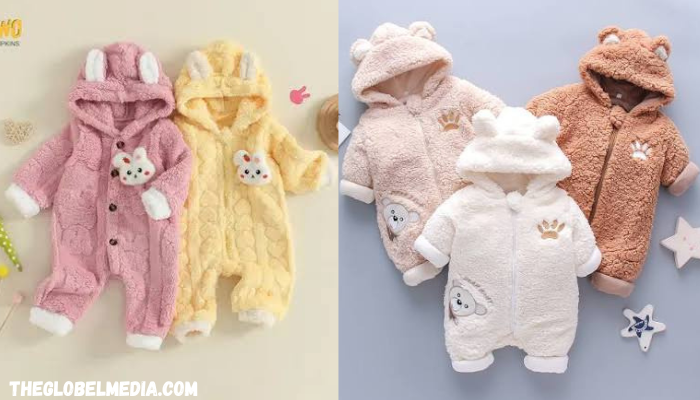
Experts recommend several light, breathable layers rather than a single heavy winter outfit to keep babies warm and comfortable while reducing the risk of overheating. Layering allows parents to adjust clothing according to changing temperatures throughout the day. For example, if you move from a cold outdoor environment into a heated building, one layer can easily be removed to prevent overheating. A typical winter outfit may begin with a soft bodysuit, followed by a warm sleeper or sweater, and finished with an insulated jacket or bunting suit when going outside. This approach provides better temperature control and keeps your baby comfortable in different environments. Whether you’re traveling, running errands, or spending the day with family, adjustable layers help keep your baby comfortable as temperatures shift throughout the day.
Choosing Fabrics That Keep Babies Warm
The material used in baby winter clothing can make a significant difference in both comfort and warmth. Some fabrics naturally retain heat while remaining breathable, whereas others may trap moisture and cause irritation. Parents should pay close attention to clothing labels before making purchases.
Recommended Winter Fabrics
| Fabric | Why It Works Well |
|---|---|
| Cotton | Soft, breathable, gentle on sensitive skin |
| Merino Wool | Excellent insulation without excessive weight |
| Bamboo | Naturally soft and moisture-wicking |
| Fleece | Warm, lightweight, and comfortable for outer layers |
| Organic Cotton | Ideal for babies with delicate or sensitive skin |
Selecting the Right Winter Jacket
A winter jacket should protect your baby from cold wind and low temperatures without limiting movement. Lightweight insulated jackets often provide enough warmth while remaining comfortable during outdoor walks. Features such as adjustable hoods, elastic cuffs, and zippered closures help reduce cold air entering the clothing. Parents should avoid jackets that are unnecessarily bulky because they can make movement difficult and are generally not recommended while a baby is secured in a car seat. Choosing a jacket based on your local climate rather than appearance alone will usually provide better comfort and protection throughout winter.
Essential Winter Accessories Every Baby Needs
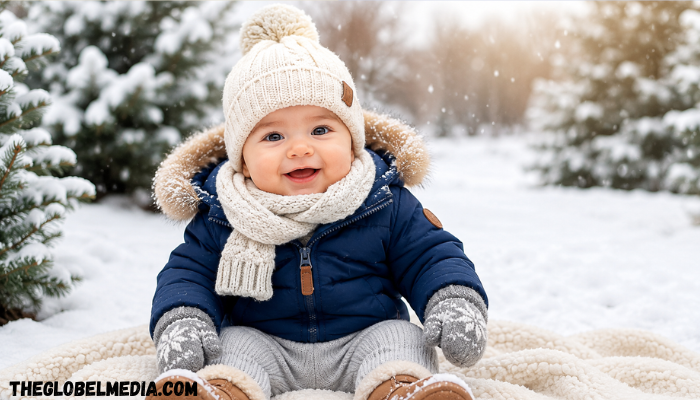
Winter clothing is not complete without accessories that protect areas where babies lose heat most quickly. A comfortable knitted hat offers essential insulation for a baby’s head, while warm mittens help safeguard small hands against winter’s chill. Thick socks or insulated booties provide warmth for the feet, especially when traveling outdoors. A comfortable scarf is generally unnecessary for infants because of safety concerns, but a high-neck jacket or warm neck warmer designed for babies can provide similar protection. Keeping these accessories dry and clean ensures they remain effective throughout the season.
Choose the Right Winter Outfit for Different Temperatures
One of the biggest mistakes parents make is dressing their baby the same way regardless of the weather. Cold mornings, mild afternoons, and chilly evenings call for a layered approach, allowing you to adjust your baby’s clothing as the temperature changes. A cool autumn morning requires fewer layers than a freezing winter afternoon, while indoor heating may make thick clothing unnecessary. Before leaving home, check both the outdoor temperature and the expected weather conditions. If you plan to spend only a few minutes outside, a lightweight jacket may be enough. Longer winter outings may require extra insulation, including a bunting suit, warm accessories, and a stroller blanket to keep your baby comfortable in colder conditions. Adjusting your baby’s outfit according to the weather helps keep them comfortable without increasing the risk of overheating.
How Many Layers Should a Baby Wear?
A simple rule followed by many parents and pediatric experts is to dress your baby in one more layer than an adult would wear in the same weather. This guideline provides a practical starting point, although every baby is different. The best way to check if your baby is comfortable is by feeling the back of the neck or upper chest. If the skin feels warm and dry, the clothing is usually appropriate. If your baby feels sweaty or their neck is damp, they may be wearing too many layers. On the other hand, if the skin feels cool, another lightweight layer may be needed. Paying attention to these signs is more reliable than judging by cold hands or feet alone.
Winter Clothing Essentials Every Parent Should Own
Building a practical winter wardrobe doesn’t mean buying dozens of outfits. Instead, choose versatile pieces that can be mixed and matched throughout the season. Investing in high-quality essentials often provides better value than purchasing many inexpensive items that wear out quickly.
| Winter Essential | Purpose |
|---|---|
| Long-sleeve bodysuits | Comfortable base layer |
| Footed sleepers | Warm indoor clothing |
| Knit sweaters | Extra insulation |
| Fleece jackets | Lightweight warmth |
| Insulated snowsuit | Outdoor protection |
| Warm hats | Prevent heat loss |
| Mittens | Protect little hands |
| Thick socks or booties | Keep feet warm |
| Soft blankets | Extra warmth for stroller use |
Don’t Forget About Car Seat Safety
Keeping your baby warm during car rides requires special attention. Thick winter coats and puffy snowsuits should not be worn underneath a properly fastened car seat harness because the bulky material can compress during an accident, leaving extra space between the harness and your baby. Instead, dress your baby in thinner layers, buckle the harness securely, and place a blanket or car seat cover over the harness after it has been fastened. This method provides warmth while allowing the safety harness to function correctly. If extra warmth is needed, it should always be added after the baby is safely buckled into the seat.
Signs Your Baby May Be Too Cold or Too Warm
Watching your baby’s behavior can help you decide whether adjustments are needed. Babies who are too cold may become unusually fussy, have cool skin on their chest or neck, or appear less active than usual. Babies who are too warm may have flushed cheeks, sweat around the neck, breathe faster than normal, or seem uncomfortable. Since babies cannot tell you how they feel, observing these physical signs is one of the best ways to keep them comfortable. Making small adjustments by adding or removing a layer is usually enough to maintain the right temperature throughout the day.
Shopping Tips for Baby Winter Clothes
Buying winter clothing for babies can be expensive, especially because young children grow so quickly. Instead of filling the closet with many fashionable outfits, focus on quality, comfort, and practicality. Look for clothing that is easy to put on and remove, especially during diaper changes. Soft zippers, stretchable neck openings, and snap closures can make dressing much easier. Choosing slightly larger sizes may allow room for layering, but avoid clothing that is excessively oversized because it can become uncomfortable and less effective at keeping your baby warm. Reading fabric labels and customer reviews before purchasing can also help you choose durable products that last throughout the winter season.
Common Winter Dressing Mistakes Parents Should Avoid
Even experienced parents sometimes make small mistakes when dressing babies during winter. Understanding these common problems can help keep your little one safer and more comfortable.
Putting babies in overly thick clothing that causes overheating.
Forgetting hats or mittens during outdoor walks.
Using bulky coats inside car seats.
Choosing rough fabrics that irritate sensitive skin.
Ignoring changes in indoor temperature.
Buying clothing based only on appearance instead of comfort.
Waiting too long to remove extra layers after coming indoors.
Dressing babies in clothing that restricts movement.
Avoiding these mistakes helps ensure your baby stays warm without compromising comfort or safety.